
If you’re dealing with a sports injury, recovering from surgery, or managing persistent muscle and tendon pain, you’ve probably heard about peptides. These powerful compounds are changing how Australians approach injury recovery, offering a natural pathway to faster healing and reduced inflammation.
At Folium Health, we’ve seen how peptide therapy can speed up recovery and help patients return to their active lifestyles.
In this guide, we’ll look at what peptides are, how they support injury healing, and whether peptide therapy might be right for you.
What Are Peptides?
Peptides are short chains of amino acids, typically containing between 2 and 100 amino acid molecules. Think of them as smaller versions of proteins, with one key difference: their compact size allows them to act as highly targeted messengers in your body.
Your body naturally produces thousands of different peptides, each with specific functions. These biological signals regulate everything from hormone release to tissue repair and immune response. When it comes to injury recovery, certain peptides have shown remarkable potential in speeding up the healing process.
While your body creates peptides naturally, targeted peptide therapy can boost these healing mechanisms when you need them most. This is particularly valuable for athletes, active individuals, and anyone recovering from injury or surgery.
How Peptides Speed Up Injury Recovery
When you experience an injury, your body initiates a complex healing response. Peptides enhance this natural process in several powerful ways.
Tissue Repair and Regeneration
One of the most important roles peptides play is stimulating tissue repair. Specific peptides trigger collagen production, which is essential for rebuilding damaged tendons, ligaments, muscles, and skin. Collagen acts as the structural framework that holds your tissues together, and increased collagen synthesis directly translates to faster, more complete healing.
Peptides also enhance angiogenesis, the formation of new blood vessels. Better blood flow means more oxygen and nutrients reach the injured area, supporting faster recovery and reducing healing time.
Reducing Inflammation
While some inflammation is necessary for healing, excessive or prolonged inflammation can actually slow recovery and increase pain. Certain peptides help modulate your body’s inflammatory response, calming inflammation without completely suppressing the healing process.
By reducing inflammatory signals and protecting cells from oxidative stress, peptides can help minimise swelling, decrease pain, and prevent the excessive scar tissue formation that can limit function after injury.
Supporting Muscle Recovery
For muscle injuries or post-workout recovery, peptides can be particularly beneficial. They stimulate growth factors like Insulin-like Growth Factor 1 (IGF-1), which activates muscle repair cells and promotes muscle protein synthesis. This means your muscles don’t just recover but can actually come back stronger.

Key Peptides for Injury Recovery
Not all peptides work the same way. Here are some of the most researched peptides for injury healing:
BPC-157
Often called the “healing peptide,” BPC-157 is one of the most popular options for injury recovery. Originally derived from a protective stomach protein, BPC-157 has shown promise in supporting healing of tendons, ligaments, muscles, and even gut tissue. Preclinical and early-stage studies suggest BPC-157 may support tissue repair; however, large-scale human clinical trials are still limited, and results can vary between individuals.
TB-500 (Thymosin Beta-4)
TB-500 is particularly effective for soft tissue injuries, including muscle strains and tendon tears. It works by enhancing cell migration to injury sites, promoting new blood vessel formation, and reducing inflammation. Many athletes use TB-500 to speed recovery from overuse injuries.
Growth Hormone Peptides
Peptides that stimulate growth hormone release can support tissue repair, muscle recovery, and even improve sleep quality (which is necessary for healing). These include compounds like CJC-1295 and Ipamorelin.
Collagen Peptides
While technically a nutritional supplement rather than a therapeutic peptide, collagen peptides supply the raw building blocks your body needs for tissue repair. They’re particularly beneficial for joint health and connective tissue recovery.
Who Can Benefit from Peptide Therapy?
Peptide therapy for injury recovery isn’t just for elite athletes. It can benefit a wide range of people:
- Athletes recovering from sports injuries like muscle tears, tendon strains, or ligament damage
- Active individuals dealing with overuse injuries or chronic pain
- Post-surgical patients looking to speed up healing and minimise scarring
- Weekend warriors wanting to recover faster between workouts
- Anyone with chronic tendonitis, muscle pain, or joint issues that haven’t responded well to conventional treatment
The key is working with experienced healthcare professionals who can assess your specific situation and create a personalised treatment protocol.
What to Expect from Peptide Therapy
Peptide therapy typically involves a series of treatments administered over several weeks or months, depending on the severity of your injury and your recovery goals. Most therapeutic peptides are administered through subcutaneous injection, though some oral and topical formulations exist.
Results vary by individual and injury type, but many patients notice:
- Reduced pain and inflammation within the first few weeks
- Improved mobility and function as tissues heal
- Faster return to activity compared to traditional recovery timelines
- Better quality of tissue repair with less scar formation
Peptides work best as part of a comprehensive recovery plan. They should complement, not replace, proven strategies like appropriate rest, physical therapy, proper nutrition, and gradual return to activity.
As with any medical treatment, peptide therapy may carry potential side effects or contraindications depending on your medical history. These can include injection-site reactions, hormonal fluctuations, or interactions with existing medications. A thorough consultation is essential to determine suitability.
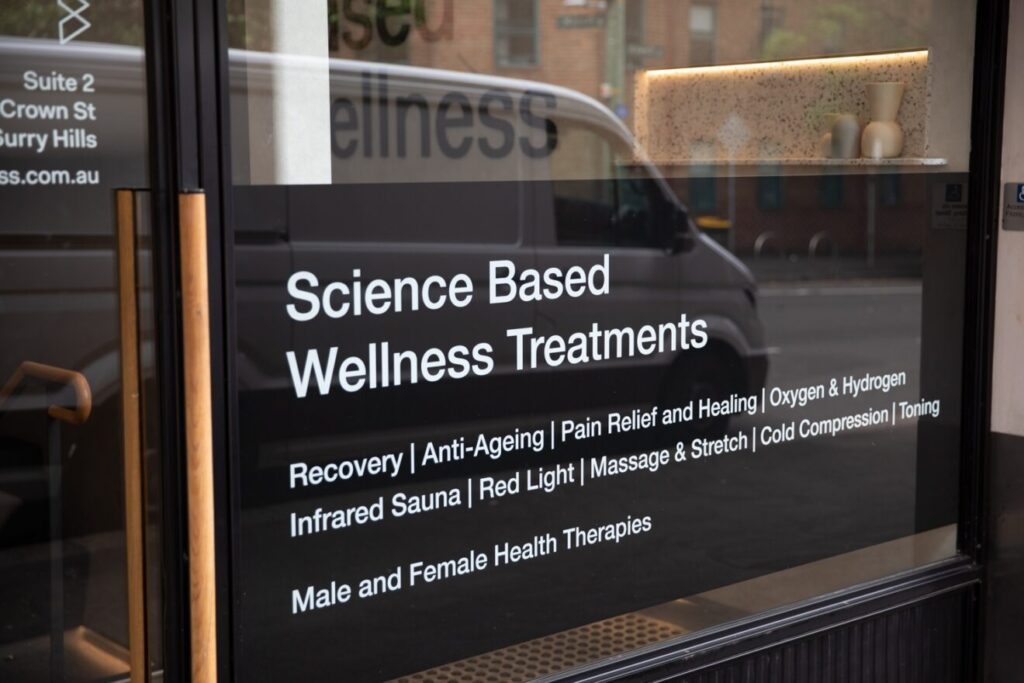
Getting Started with Peptide Therapy in Sydney
If you’re considering peptide therapy in Sydney for injury recovery, work with qualified healthcare professionals who understand both the science and the practical application of these treatments.
Ready to find out whether peptide therapy is right for your injury recovery? Connect with the team at Folium Health to discuss your options and start your journey toward faster, more complete healing.