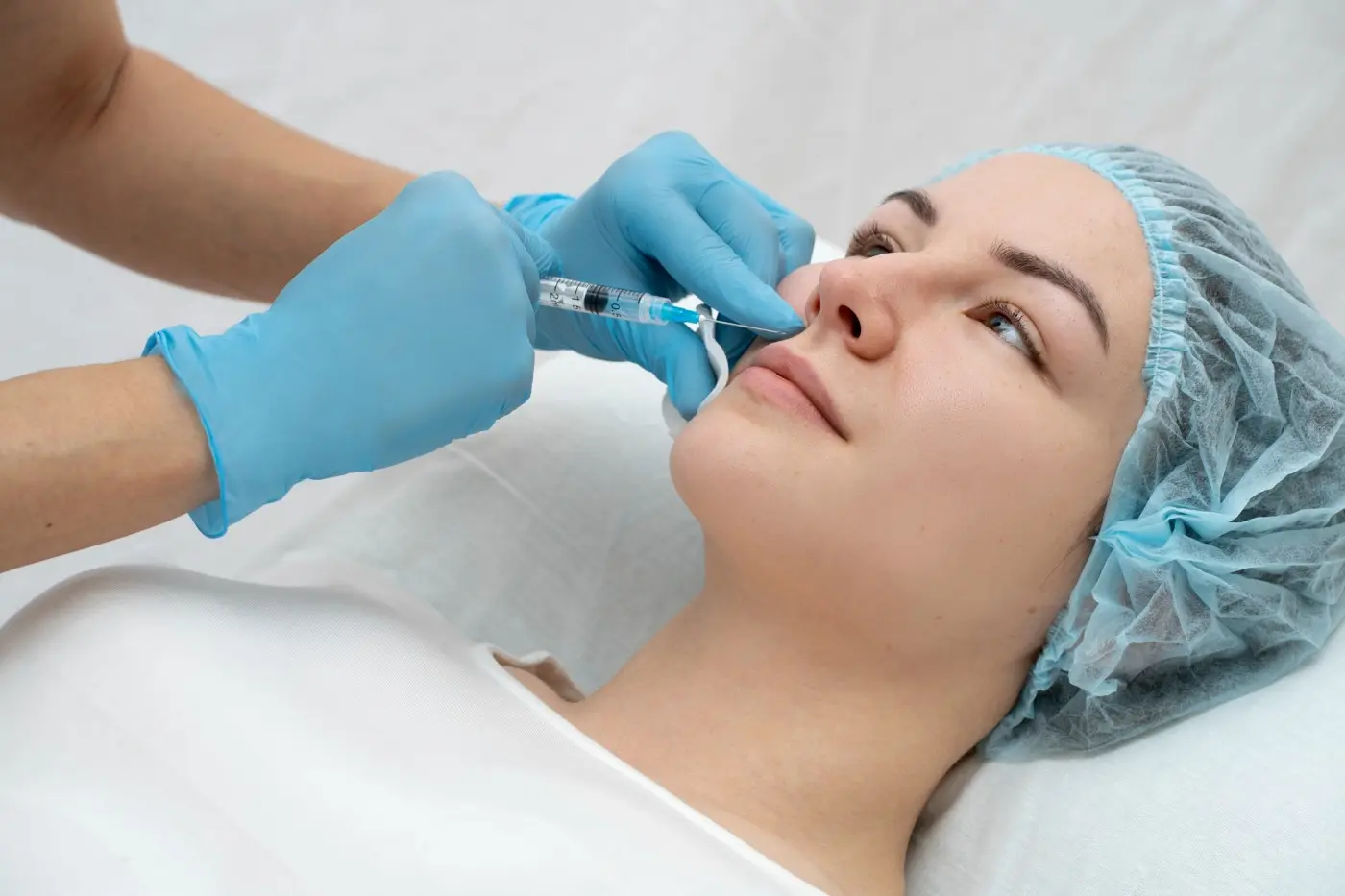
Have you been researching peptide therapy for health and wellness? You’ve likely encountered conflicting information about their legal status in Australia. With social media influencers promoting peptides and news reports highlighting illegal imports, it’s no wonder people are confused.
We guide you through safe, prescription-based peptide therapies in Sydney with expert clinical support. Let’s cut through the noise and give you the facts about peptide legality in Australia.
The Short Answer: Yes, But Only With a Prescription
Peptides are legal in Australia when prescribed by a registered doctor and dispensed through authorised pharmacies. They cannot be legally purchased over the counter, imported without approval, or bought from unregulated online sources. This makes Australia’s peptide regulations quite strict compared to some other countries.
The Therapeutic Goods Administration (TGA), Australia’s regulatory authority for medicines, classifies most therapeutic peptides as Schedule 4 (S4) prescription-only medicines under the Poisons Standard. This means they’re in the same category as antibiotics and certain pain medications, requiring professional medical oversight.
What Are Peptides and Why Are They Regulated?
Peptides are short chains of amino acids (the building blocks of proteins) that act as biological messengers in your body. They handle important jobs like hormone production, immune function, tissue repair, and metabolism. Some well-known examples include insulin (a 51-amino-acid peptide) and collagen peptides.
Because peptides can significantly affect your body’s biological processes, they need the same regulatory oversight as other prescription medicines. The TGA regulates them to ensure:
- Safety: Proper dosing and administration
- Quality: Pharmaceutical-grade manufacturing standards
- Efficacy: Evidence-based therapeutic use
- Accountability: Medical supervision to monitor side effects

Which Peptides Require Prescriptions?
Most peptides used for therapeutic purposes fall under Schedule 4 regulations. These include:
- Growth hormone releasing peptides (GHRPs) such as GHRP-6 and GHRP-2 (pralmorelin)
- BPC-157 (used for tissue repair and healing)
- Ibutamoren (MK-677) (growth hormone secretagogue)
- PT-141 (Bremelanotide) (used for sexual dysfunction)
- CJC-1295 and other growth hormone peptides
- Thymosin Beta-4 and similar recovery peptides
These peptides cannot be legally sold, possessed, or used without a valid prescription from a registered Australian medical practitioner.
The Legal Process: How to Access Peptides Legitimately
If you’re considering peptide therapy, here’s the proper legal pathway in Australia:
1. Medical Consultation
Your journey starts with a comprehensive medical assessment from a qualified doctor. They’ll review your medical history, current health status, and treatment goals. Not everyone is a suitable candidate for peptide therapy, and your doctor needs to determine if it’s appropriate for your situation.
2. Prescription and Treatment Plan
If you’re deemed eligible, your doctor will create a personalised treatment plan and provide a valid prescription. This prescription must specify the type of peptide, dosage, administration method, and duration of treatment.
3. Dispensing Through Authorised Pharmacies
Your prescription must be filled at a pharmacy or specialty dispensary that holds the proper licences and authorities to supply Schedule 4 medicines. Reputable facilities like Folium in Sydney ensure you receive pharmaceutical-grade peptides that meet Australian safety standards.
4. Ongoing Monitoring
Legitimate peptide therapy includes regular follow-ups with your healthcare provider to monitor your progress, adjust dosages if needed, and watch for any adverse effects.
The Risks of Illegal Peptides
The black market for peptides in Australia is thriving, with unregulated products sold through social media, bodybuilding forums, and overseas websites. Buying peptides through these channels carries serious risks:
- Legal Consequences: Possessing peptides without a prescription can result in criminal charges. Penalties vary by state but can include fines up to $80,650 and imprisonment up to five years (particularly in the ACT).
- Health Dangers: Unregulated peptides may contain incorrect dosages, contaminants, or entirely different substances than advertised. Without medical supervision, you risk serious side effects including heart complications, hormonal imbalances, and allergic reactions.
- TGA Enforcement: The TGA actively monitors and prosecutes illegal peptide importation. In recent years, they’ve issued substantial fines, including a $10 million penalty to Peptide Clinics Australia for advertising breaches.
State-by-State Regulations
While peptides are regulated federally under the Poisons Standard, enforcement occurs at the state and territory level with varying penalties:
- NSW: Up to $2,200 fine and/or 6 months imprisonment for possession
- Victoria: Up to $19,759 fine for unlawful supply
- Queensland: Up to $80,650 fine for unauthorised supply
- ACT: Up to $66,000 fine and/or 2 years imprisonment for possession
- South Australia: Up to $10,000 fine for unauthorised use or supply
- Western Australia: Up to $45,000 fine for possession or supply
- Northern Territory: Up to $37,000 fine or 2 years imprisonment for supply
- Tasmania: Up to $9,750 fine and/or 2 years imprisonment for possession
These penalties show how seriously Australian authorities take peptide regulation.
Are Peptides Safe When Used Legally?
Under proper medical supervision, peptides can be relatively safe for many people. They’re not without risks though. Potential side effects include:
- Injection site reactions (redness, swelling, pain)
- Allergic reactions in sensitive individuals
- Water retention and bloating
- Changes in insulin sensitivity and blood sugar
- Hormonal disruptions if misused
- Cardiovascular effects with certain peptides
This is precisely why medical oversight is legally required. Your doctor can assess your individual risk factors and monitor you throughout treatment.
Finding Legitimate Peptide Therapy in Australia
If you’re interested in peptide therapy, look for:
- Registered medical practitioners who conduct thorough consultations
- Licensed pharmacies with proper authorities to dispense S4 medicines
- Transparent pricing and clear communication about the process
- Evidence-based treatment plans tailored to your health goals
- Ongoing support and progress monitoring
Avoid providers who offer peptides without requiring a prescription, promise unrealistic results, or operate solely through social media channels.
Start Your Peptide Therapy Journey the Right Way
At Folium Health Our experienced Sydney pharmacists work alongside registered doctors to ensure you receive safe, legal, and effective treatment.
Ready to explore peptide therapy legally? Contact Folium today. Your health and legal compliance are our top priorities.