
If you’ve been scrolling through social media or chatting with mates at the gym, chances are you’ve heard about peptides. These compounds have exploded in popularity across Australia, with everyone from athletes to wellness enthusiasts considering their potential benefits. But with all the buzz comes an important question: are peptides actually safe?
Let’s cut through the noise and look at what peptides really are, their safety profile, and what Australians need to know before considering peptide therapy.
What Are Peptides?
Peptides are short chains of amino acids, the building blocks that make up proteins in your body. Think of them as smaller versions of the proteins that form your muscles, skin, hair, and nails. Your body naturally produces peptides that play necessary roles in various processes, including immune function, tissue repair, hormone production, and metabolism.
Scientists have also developed synthetic peptides in laboratories. These lab-made versions are designed to mimic or enhance the natural peptides your body produces. Some are modified to last longer in your system or target specific tissues more effectively.
Common Types of Peptides
Not all peptides are created equal. Understanding the different types can help you make informed decisions:
These stimulate your pituitary gland to release growth hormone, potentially supporting muscle growth, fat loss, and anti-ageing effects.
Originally developed for type 2 diabetes management, these peptides help regulate blood sugar and appetite. You might recognise names like semaglutide, which has gained attention for weight management.
Compounds like BPC-157 and TB-500 are promoted for tissue repair and inflammation reduction, though research is still emerging.
Often used in skincare and wellness, these peptides aim to reduce wrinkles and improve skin elasticity.
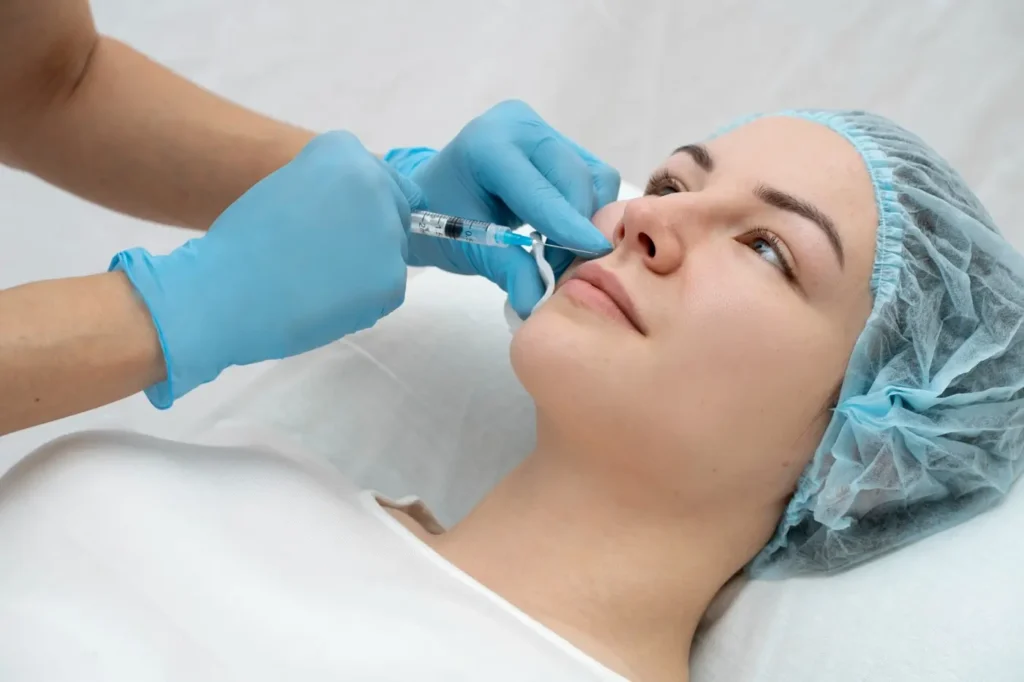
So, Are Peptides Safe?
Here’s the honest answer: it depends on several key factors.
- Medical Supervision Is Essential
Peptides used under proper medical supervision and for legitimate therapeutic purposes can be relatively safe. At Folium Health, we stress that peptide therapy should always involve healthcare professionals who can assess your individual needs, medical history, and potential risks.
When prescribed and monitored correctly, certain peptides have demonstrated safety in clinical settings. Yet the safety profile varies significantly depending on the specific peptide, dosage, administration method, and individual health factors.
- Quality and Purity Matter
One of the biggest safety concerns with peptides is sourcing. The quality, purity, and sterility of peptide products significantly impact their safety and effectiveness. Unfortunately, the online marketplace is flooded with unregulated products that may be mislabelled, contaminated, or even falsified.
Research has shown that peptides obtained from unregulated sources carry serious risks. These products might contain incorrect doses, impurities, or entirely different substances than what’s listed on the label. At best, you’re wasting money. At worst, you’re exposing yourself to dangerous contaminants.
- Potential Side Effects and Risks
Even pharmaceutical-grade peptides come with potential side effects. Common concerns include:
- Injection-site reactions and skin irritation
- Water retention and swelling
- Hormonal imbalances
- Fatigue and flu-like symptoms
- Changes in appetite
- Allergic reactions
More serious risks can occur with certain peptides. Peptides that stimulate growth hormone over extended periods can lead to complications including arthritis, sleep apnoea, diabetes, high blood pressure, and heart disease. High doses of human growth hormone can even cause irreversible acromegaly, a serious condition with potentially life-threatening complications.
Peptides that stimulate growth pathways have also raised theoretical concerns about cancer risk. While long-term human studies are limited, some researchers have noted that increased growth factors like IGF-1 could potentially promote the growth of existing cancer cells.
- The Injection Risk Factor
Most peptide therapies require injection, which introduces additional risks including infection, abscesses, accidentally hitting nerves or blood vessels, and potential exposure to blood-borne viruses if equipment is shared. Proper injection technique and sterile equipment are necessary.
Peptides in Australia: What’s Legal?
In Australia, the Therapeutic Goods Administration (TGA) permits the use of peptides only for legitimate medical purposes as prescribed by a doctor or specialist. Peptides are not approved for performance enhancement or image purposes, and it’s illegal for non-medical personnel to import these substances into Australia.
Athletes should note that many peptides are prohibited by the World Anti-Doping Agency (WADA). The TGA has taken enforcement action against clinics advertising peptides inappropriately, warning that using peptides sold by unregulated providers could result in serious harm.
Recent warnings about counterfeit weight-loss peptides have shown the dangers of purchasing these compounds from unverified sources. Some products marketed as containing GLP-1 receptor agonists have tested positive for completely different substances or dangerous contaminants.
Making Safe Decisions About Peptide Therapy
If you’re considering peptide therapy, here’s how to approach it safely:
- Consult with Healthcare Professionals like Folium
Always discuss peptide therapy with qualified medical practitioners who know your complete health picture, including existing conditions and medications.
- Verify Product Quality
Ensure any peptides are sourced from reputable, regulated suppliers. Look for third-party testing, purity certifications, and proper documentation.
- Start with Approved Therapies
Consider peptides with established safety profiles and regulatory approval before trying experimental options.
- Monitor Your Health
Regular check-ups, blood work, and health screenings help track how peptide therapy is affecting your body.
- Be Honest About Your Goals
Have realistic expectations. Peptides aren’t magic bullets, and any legitimate healthcare provider will be upfront about both potential benefits and limitations.
- Watch for Red Flags
Be wary of clinics making extraordinary claims, offering peptides without proper medical assessment, or sourcing products from unclear suppliers.

Are Peptides Safe?
Peptides can be safe when used appropriately under medical supervision for legitimate therapeutic purposes. The safety depends on the specific peptide, its quality, proper dosing, appropriate medical oversight, and your individual health profile.
At Folium Health, we’re committed to helping Australians with peptide therapies. If you’re considering peptide therapy, work with us to create personalised treatment plans.
Book your consultation with Folium Health today and see how we can help you achieve your health goals safely and effectively.