
Your eyes work tirelessly every day, processing light, colour, and detail to help you navigate the world around you. But what happens when the delicate tissues of your eyes don’t receive enough oxygen? Vision problems can emerge, and recovery can feel frustratingly slow.
This is where Hyperbaric Oxygen Therapy (HBOT) in Sydney comes into the picture. At Folium Health in Sydney, we’re seeing growing interest in how this evidence-based treatment can support ocular health and potentially improve visual outcomes for various eye conditions.
Hyperbaric Oxygen Therapy may support vision health by increasing oxygen delivery to the retina and optic nerve, particularly in conditions where blood flow or oxygen supply is compromised.
At Folium Health, our clinicians have observed that clients undergoing HBOT as part of a coordinated eye care plan often report improved visual clarity, reduced eye fatigue, or better recovery outcomes when therapy is started early and monitored closely.
Understanding the Oxygen-Vision Connection
Your retina contains some of the most metabolically active tissues in your entire body. These tissues demand constant oxygen supply to function properly. When oxygen delivery is compromised due to injury, inflammation, or vascular issues, your vision can suffer.
HBOT works by delivering 100% pure oxygen under controlled atmospheric pressure, typically around 1.35 to 2.0 ATA. This increased pressure allows oxygen to dissolve directly into your blood plasma, cerebrospinal fluid, and other bodily fluids, bypassing the normal haemoglobin pathway. The result? Oxygen reaches tissues that may be oxygen-starved, including the delicate structures of your eyes.
Eye Conditions That May Benefit From HBOT
Research has identified several vision-related conditions where hyperbaric oxygen therapy shows promise:
Retinal Artery Occlusion
When blood flow to the retina becomes blocked, immediate oxygenation is critical. Studies published in ophthalmology journals have demonstrated that HBOT can improve visual acuity outcomes by providing indirect oxygenation to affected retinal tissues, potentially preventing permanent vision loss.
Diabetic Retinopathy
Diabetes can damage the tiny blood vessels in your retina, leading to reduced oxygen supply. HBOT may help by improving tissue oxygenation and reducing inflammatory processes that contribute to diabetic eye complications.
Macular Edema
Swelling in the macula, the central part of your retina responsible for sharp vision, can significantly impact your sight. Research indicates that HBOT can reduce macular oedema while supporting the regeneration of damaged retinal cells.
Optic Nerve Damage
The optic nerve requires substantial oxygen to transmit visual information from your eye to your brain. When this nerve suffers damage from trauma, inflammation, or reduced blood flow, HBOT’s oxygen-rich environment may support nerve tissue recovery.
The Science Behind HBOT and Eye Health
Australian research institutions, including the University of Western Australia, have investigated how hyperbaric oxygen affects retinal function and local oxygen metabolism. The mechanisms work through several pathways:
Enhanced Oxygen Delivery: By increasing oxygen pressure, HBOT pushes oxygen deeper into eye tissues, even those with compromised blood flow.
Reduced Inflammation: HBOT can decrease inflammatory markers that contribute to ongoing eye damage, potentially slowing disease progression.
Blood Vessel Growth: The therapy may promote the growth of new, healthy blood vessels in the retina, improving long-term circulation.
Cellular Regeneration: With adequate oxygen, retinal cells gain the energy needed for repair and regeneration processes.
What to Expect During HBOT for Vision Support
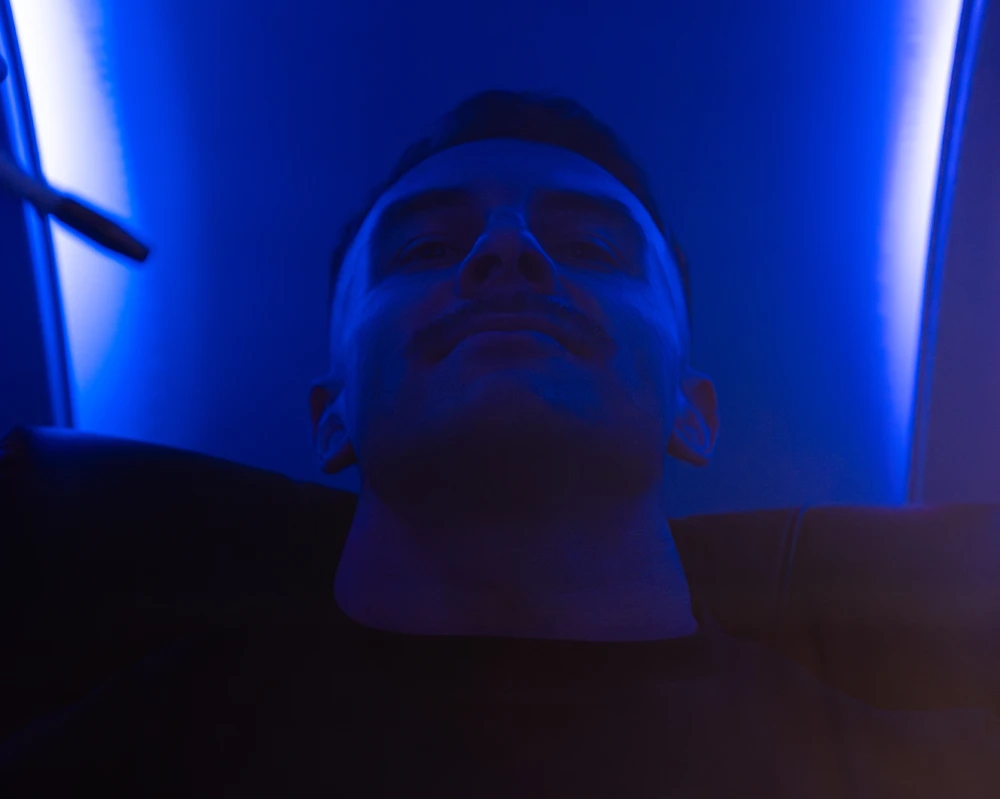
At Folium Health, your journey begins with a thorough consultation conducted by qualified healthcare practitioners trained in hyperbaric medicine, who review your ophthalmology reports, medical history, and treatment goals before recommending HBOT. During your HBOT session, you’ll relax comfortably inside our hyperbaric chamber while breathing pure oxygen through a mask.
The pressure inside gradually increases to the therapeutic level, creating a sensation similar to ascending in an aeroplane. Sessions typically last between 60 to 90 minutes, and most people find the experience calming and relaxing. Many clients use this time to meditate, listen to music, or simply rest.
The number of sessions recommended varies depending on your condition. Acute eye emergencies like retinal artery occlusion may require 10 to 20 sessions, while chronic conditions might benefit from 30 to 40 sessions delivered over several weeks.
The Folium Health Difference
At Folium Health Sydney, hyperbaric oxygen therapy is delivered in a clinically supervised environment that follows Australian safety standards.
Our team collaborates with GPs, ophthalmologists, and allied health professionals to ensure HBOT is integrated appropriately into your broader eye care plan.
We understand that every person’s vision journey is unique. That’s why we create personalised treatment plans that align with your specific eye health goals and integrate seamlessly with your existing medical care.

Supporting Your Vision for the Long Term
Your eyes deserve the best possible support. Whether you’re dealing with a specific eye condition or simply want to optimise your ocular health, hyperbaric oxygen therapy offers a scientifically backed approach to enhancing oxygen delivery where your eyes need it most.
If you’ve been struggling with vision issues or wondering whether HBOT might benefit your eye health, we invite you to speak with our team at Folium Health. Together, we can determine whether hyperbaric oxygen therapy is right for you and create a personalised path toward better vision health.Ready to see how HBOT can support your vision? Book a consultation with Folium Health today and discover the potential of oxygen therapy for your eye health. Our Sydney wellness centre is here to guide you on your journey to optimal wellbeing.