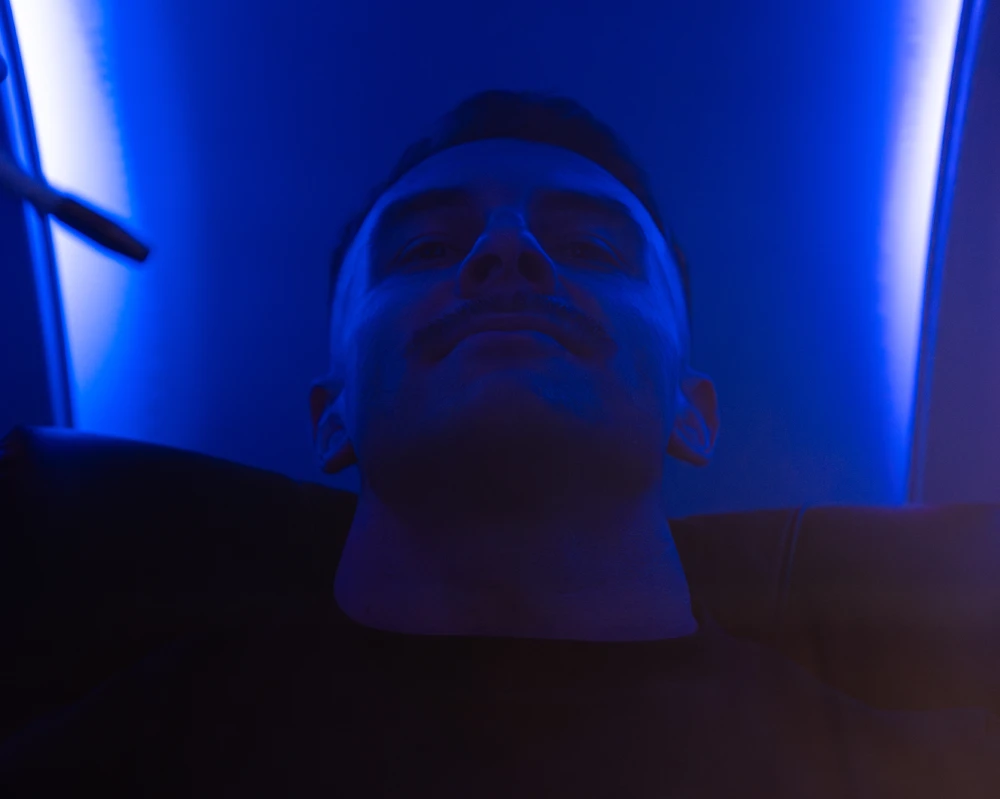
Hyperbaric chamber therapy for brain injury involves breathing concentrated oxygen in a pressurised environment to increase oxygen delivery to damaged brain tissue.
For Australians living with traumatic brain injury, ongoing concussion symptoms or persistent brain fog, this approach may support healing, reduce inflammation and improve cognitive function when used as part of a medically supervised plan.
Brain injuries can have long lasting effects on memory, mood, concentration and overall quality of life. While conventional rehabilitation remains essential, many patients and clinicians are now exploring hyperbaric oxygen therapy as a complementary option.
Understanding Hyperbaric Oxygen Therapy
Hyperbaric oxygen therapy, often referred to as HBOT, is delivered in a specialised chamber where air pressure is increased above normal atmospheric levels. Under these conditions, the lungs absorb significantly more oxygen than usual. This oxygen dissolves into the bloodstream and reaches tissues that may be deprived due to injury or reduced blood flow.
For brain injuries, this increased oxygen supply is believed to assist cellular repair, support new blood vessel growth and reduce swelling. Sessions typically last between 60 and 90 minutes and are conducted under professional supervision.
Hyperbaric Chamber Benefits For Brain
When examining hyperbaric chamber benefits for brain health, several potential mechanisms stand out.
1. Increased Oxygen Delivery
After a brain injury, certain areas may receive less oxygen due to disrupted blood flow. HBOT enhances oxygen transport to these areas, potentially supporting the recovery of dormant but viable brain cells.
2. Reduced Inflammation
Inflammation is a common response following head trauma. While some inflammation is necessary for healing, prolonged or excessive inflammation can contribute to ongoing symptoms. Hyperbaric oxygen therapy may help moderate inflammatory processes in the brain.
3. Neuroplasticity Support
Neuroplasticity refers to the brain’s ability to reorganise and form new connections. Improved oxygenation may assist in stimulating repair pathways and encouraging functional improvements in areas affected by injury.
4. Improved Cognitive Function
Some individuals report improvements in memory, attention and processing speed after completing a course of HBOT. While outcomes vary, the goal is to support clearer thinking and better daily functioning.
For Australians seeking additional support for cognitive recovery, exploring integrative options through providers such as Folium Health can be a valuable step alongside standard neurological care.

Hyperbaric Chamber For Traumatic Brain Injury
Traumatic brain injury, or TBI, can result from car accidents, sports injuries, falls or workplace incidents. Symptoms range from mild concussion to severe neurological impairment.
Hyperbaric chamber for traumatic brain injury is being studied for its potential to assist in both acute and chronic stages. In the early phase, increasing oxygen availability may limit secondary damage caused by swelling and reduced blood flow. In chronic cases, where symptoms persist months or years after the initial injury, HBOT is sometimes used to support residual brain tissue function.
1. Mild Traumatic Brain Injury
Mild TBI or concussion can lead to headaches, dizziness, irritability and cognitive difficulties. While many people recover within weeks, some develop post concussion syndrome with prolonged symptoms. Hyperbaric oxygen therapy for brain fog and cognitive fatigue is often discussed in this context, particularly when conventional strategies have not provided sufficient relief.
2. Moderate To Severe TBI
In more serious injuries, rehabilitation may involve physiotherapy, occupational therapy, speech therapy and psychological support. HBOT may be considered as an adjunct under medical supervision. It is important to note that outcomes depend on the severity of injury, timing of treatment and overall health.
Anyone considering hyperbaric therapy should undergo a comprehensive medical assessment. At Folium Health, treatment plans are designed with a focus on safety, suitability and integration with existing care.
Hyperbaric Oxygen Therapy For Brain Fog
Brain fog is a term used to describe reduced mental clarity, poor concentration, forgetfulness and slowed thinking. It can occur after concussion, viral illness, chronic stress or inflammatory conditions.
Hyperbaric oxygen therapy for brain fog aims to improve oxygenation and support neuronal activity. By increasing oxygen delivery to areas of the brain associated with attention and executive function, some patients report better clarity and reduced cognitive fatigue.
In Australia, interest in HBOT for brain fog has grown among individuals experiencing lingering symptoms after mild head injuries. While it is not a universal solution, it may offer benefits for carefully selected patients.
If you are experiencing ongoing cognitive symptoms after a head injury, a consultation with the clinical team at Folium Health can help determine whether hyperbaric therapy is appropriate for your situation.
What To Expect During Treatment
A typical hyperbaric session involves entering a chamber, either individually or in a multi person setting. Once sealed, pressure is gradually increased. You may feel a sensation in your ears similar to flying, which usually resolves with simple equalisation techniques.
During the session, you relax and breathe oxygen through a mask or hood. Many patients read or rest. After the session, pressure is slowly reduced back to normal.
A course of therapy often involves multiple sessions over several weeks. The number of treatments varies depending on the condition being addressed and clinical recommendations.
Safety And Considerations
Hyperbaric oxygen therapy is generally considered safe when delivered by trained professionals. However, it is not suitable for everyone. Certain lung conditions, untreated pneumothorax and specific ear problems may be contraindications.
Mild side effects can include ear discomfort, temporary vision changes or fatigue after sessions. A thorough assessment is essential before commencing therapy.
For Australians exploring complementary therapies for brain injury, it is important to work with experienced providers who understand both conventional neurology and integrative approaches

Is Hyperbaric Therapy Right For You?
Every brain injury is different. Factors such as the cause of injury, severity, time since trauma and overall health influence the potential response to treatment.
Hyperbaric chamber therapy for brain injury is not a replacement for emergency care or rehabilitation. Instead, it may serve as part of a broader, individualised strategy aimed at supporting recovery and improving quality of life.
If you are considering this approach, speak with a qualified practitioner who can assess your medical history and guide you through the risks and benefits. Booking an assessment with Folium Health is a proactive step if you want personalised advice based on your symptoms and goals.For those ready to take action, contact Folium Health today to arrange a comprehensive consultation and explore whether hyperbaric oxygen therapy could form part of your recovery plan.