If you’re considering hyperbaric oxygen therapy in Sydney or have already experienced your first session, you might be wondering about an unexpected side effect: feeling tired afterwards. It’s one of the most common questions we hear at Folium Health, and the answer isn’t as straightforward as you might think.
The truth is, people respond differently to HBOT. Some walk out of the chamber feeling energised and ready to tackle their day, while others experience temporary fatigue. Understanding why this happens and what it means for your body can help you make the most of your treatment and manage your expectations.
In this article, we’ll look at the science behind post-HBOT fatigue, why it’s actually a positive sign in many cases, and practical strategies to help you optimise your recovery experience.
At Folium Health, we’ve supported hundreds of clients across Sydney through HBOT programs for recovery, inflammation management, and general wellbeing. Based on session feedback and clinical observations, post-treatment fatigue is one of the most commonly reported short-term responses, particularly during the first few sessions. These insights come directly from monitored treatment outcomes rather than theory alone.
What Happens During Hyperbaric Oxygen Therapy?
Before we get into why HBOT might make you feel tired, let’s look at what’s actually happening inside your body during treatment.
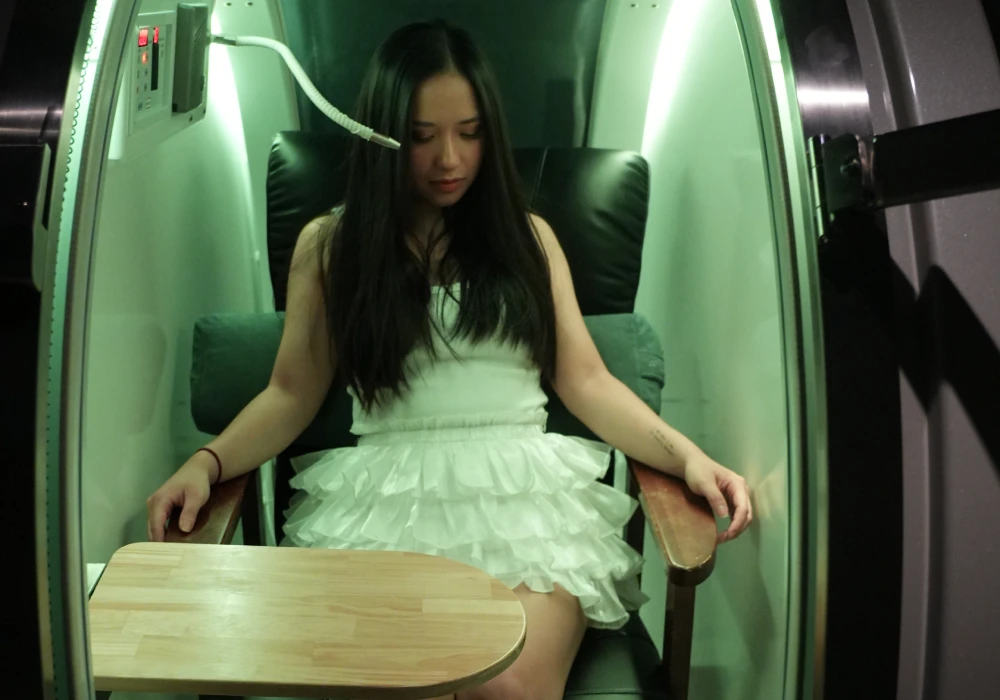
At Folium Health’s Sydney facilities, our advanced hyperbaric chambers deliver 100% pure oxygen at 1.35 atmospheric pressure. This is significantly different from the air we normally breathe, which contains only 21% oxygen at standard pressure.
When you’re inside the chamber, your blood plasma becomes saturated with oxygen at levels up to 20 times higher than normal. This oxygen-rich blood reaches every cell in your body, including areas with restricted blood flow. The increased oxygen availability triggers several powerful healing processes:
- Enhanced cellular energy production through increased ATP
- Accelerated tissue repair and regeneration
- Reduced inflammation throughout the body
- Improved mitochondrial function
- Activation of stem cell production
Your body essentially shifts into an enhanced healing mode, working harder at the cellular level than it normally would. This increased metabolic activity is where the tiredness often comes from.
Why You Might Feel Tired After HBOT
Your Metabolism Is Working Overtime
During your hyperbaric oxygen therapy session, your metabolic rate increases significantly. Clinical observations and metabolic studies suggest that HBOT can significantly increase oxygen utilisation and energy expenditure during a one-hour session, though individual calorie burn varies based on body composition, health status, and treatment pressure. Your body is essentially working hard even though you’re resting comfortably inside the chamber.
This metabolic spike means your cells are consuming more energy to process the increased oxygen levels. It’s similar to how you might feel tired after an intense workout, except your cells are doing the heavy lifting rather than your muscles.
Your Body Is Adapting to Higher Oxygen Levels
When you breathe 100% oxygen in a pressurised environment, your body needs to adapt. Your mitochondria work harder to utilise this oxygen effectively. During the adjustment period, particularly in your first few sessions, this can leave you feeling fatigued as your body acclimates to the enhanced oxygen saturation.
Think of it like starting a new exercise routine. Initially, you might feel more tired as your body adapts, but over time, you build endurance and capacity.
The Healing Process Requires Energy
One of the most important things to know is that feeling tired after HBOT often signals that your body is actively healing. When oxygen floods damaged or inflamed tissues, your body ramps up repair processes. This cellular regeneration requires significant energy resources.
If you’re using HBOT for injury recovery, chronic inflammation, or post-surgical healing, your body is directing extra energy towards these repair processes. The temporary fatigue is actually evidence that the therapy is working as intended.

Why Some People Feel Energised Instead
Interestingly, not everyone experiences fatigue after HBOT. Many clients at our Sydney wellness centre report feeling refreshed, mentally clear, and energised following their sessions. Why the difference?
Several factors influence your individual response:
- Treatment stage: First-time users often feel more tired as their bodies adapt, while regular users may experience increased energy
- Overall health status: People with chronic fatigue or energy deficits may notice immediate improvements in vitality
- Time of day: Morning sessions may feel energising, while afternoon or evening sessions might promote relaxation
- Individual physiology: Everyone’s metabolic response varies based on genetics, fitness level, and current health status
The good news is that as you continue with regular HBOT sessions, your body typically adapts, and many people transition from feeling tired to feeling energised.
How Long Does the Fatigue Last?
If you do experience tiredness after hyperbaric oxygen therapy, it’s typically short-lived. Most people find that any fatigue subsides within a few hours to a day after treatment. Some report feeling tired on the day of treatment but waking up the next morning with renewed energy.
For new HBOT users, the fatigue may be more noticeable during the first three to five sessions as your body adjusts. As you progress through your treatment plan, this adaptive response usually diminishes.
At Folium Health, all HBOT sessions are conducted under professional supervision, and clients are assessed regularly to ensure their response to treatment remains within safe and expected parameters.
Practical Tips to Manage Post-HBOT Fatigue
If you’re experiencing tiredness after your sessions, these strategies can help you optimise your recovery:
Stay Well-Hydrated
Proper hydration supports your body’s increased metabolic activity and helps flush out toxins mobilised during treatment. Drink plenty of water before and after your session.
Fuel Your Body Properly
Since HBOT increases calorie burn, eating a balanced, nutrient-rich meal within an hour of your session can help replenish energy. Focus on lean proteins, complex carbohydrates, healthy fats, and fresh vegetables.
Listen to Your Body
If you feel tired, allow yourself to rest. Your body is telling you it needs recovery time to complete its healing processes. Gentle activities like walking are fine, but avoid intense exercise immediately after HBOT.
Schedule Sessions Strategically
Consider the timing of your appointments. If post-session fatigue affects your work or daily responsibilities, schedule sessions in the evening when you can rest afterwards.
Maintain Consistent Sleep Patterns
Quality sleep enhances your body’s ability to benefit from HBOT. Aim for seven to nine hours of sleep per night and maintain a cool, dark sleeping environment.
This guidance is particularly relevant for first-time HBOT users, individuals recovering from injury or surgery, and those using hyperbaric oxygen therapy as part of a structured wellness or performance program.
The Bigger Picture: HBOT Benefits
While temporary fatigue might seem like a drawback, remember the substantial benefits of hyperbaric oxygen therapy. At Folium Health, our clients use HBOT to support:
- Accelerated injury and wound healing
- Post-surgical recovery
- Reduced inflammation
- Enhanced athletic performance and recovery
- Improved cognitive function and mental clarity
- Support for chronic conditions
- Overall wellness and longevity
The short-term tiredness is a small trade-off for the long-term healing and performance benefits that HBOT provides.
Final Thoughts
So, does hyperbaric oxygen therapy make you tired? The answer is: it depends. Some people experience temporary fatigue as their bodies adapt to increased oxygen levels and accelerated healing processes, while others feel energised from their first session.
If you do feel tired after HBOT, it’s typically a positive sign that your body is actively healing and adapting. With proper hydration, nutrition, rest, and consistent treatment, most people find that initial fatigue gives way to increased energy and vitality.
The main thing is to listen to your body, give it the support it needs during the adaptation phase, and keep realistic expectations. The long-term benefits of HBOT far outweigh any short-term tiredness you might experience.
Ready to Experience HBOT in Sydney?
If you’re curious about how hyperbaric oxygen therapy could support your health and wellness goals, the team at Folium Health is here to help. Our advanced facilities in Sydney offer medical-grade HBOT in a comfortable, professional environment.
Book your consultation today and discover how pressurised oxygen therapy can optimise your recovery, performance, and wellbeing.