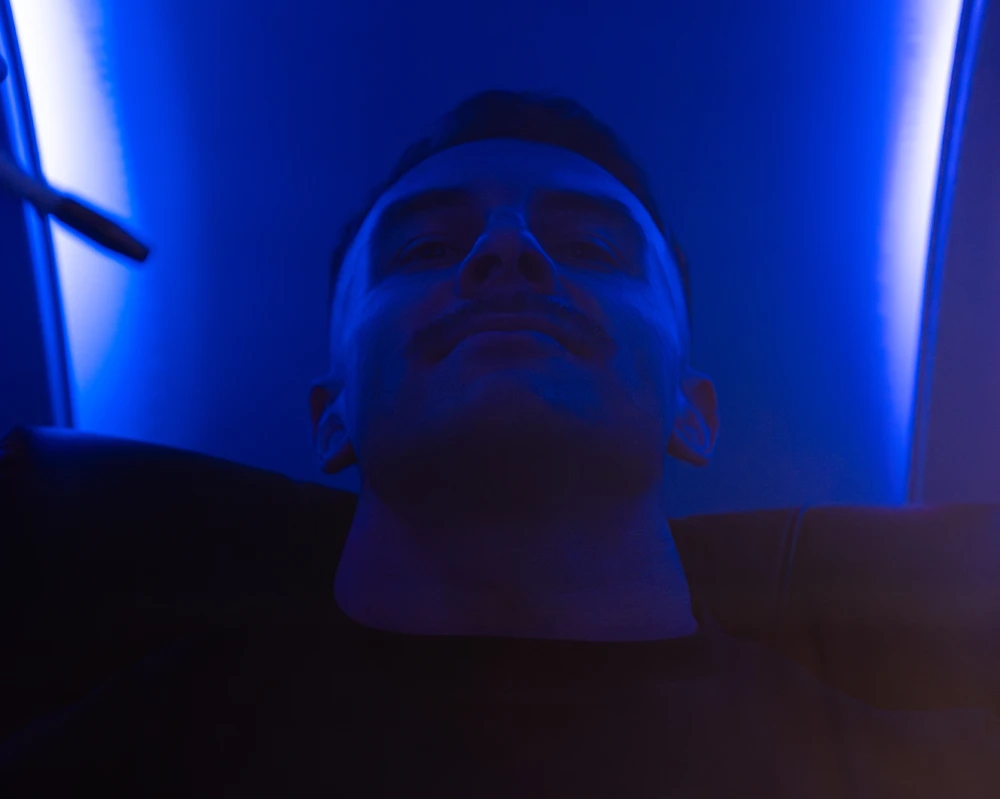
Infrared saunas typically heat to around 45°C to 65°C, which is noticeably lower than the 70°C to 90°C often found in traditional steam or dry saunas. Despite the lower air temperature, users still experience a strong warming effect because infrared heat warms the body directly instead of heating the air first. This makes the experience more comfortable for many Australians who want a gentle yet effective sauna session.
Infrared saunas have grown in popularity across Sydney, particularly among people seeking relaxation, muscle relief, and general well-being without feeling overwhelmed by extreme heat.
Their controlled temperature range is one of the key reasons they appeal to new sauna users as well as those who find traditional saunas too intense.
How Infrared Saunas Produce Heat
Infrared saunas use infrared light waves to heat body tissue instead of relying on hot air. These waves penetrate the skin, producing a warming effect similar to standing in sunshine without the harsh glare. Because your body absorbs the heat directly, you get a deep warming sensation even at lower temperatures.
The three most common types of infrared used include:
1. Near Infrared
This offers a more surface-level heating effect and is often chosen for skin-related benefits and light therapy.
2. Mid Infrared
This sits in the middle of the spectrum and is generally associated with supporting circulation.
3. Far Infrared
Far infrared is the most widely used in home and commercial saunas. It is known for deeper body heating and is often the setting people choose for relaxation and comfort.
Different models combine these wavelengths in various ways, but all operate within the same general temperature range of 45°C to 65°C.
Why Infrared Saunas Do Not Need Extremely High Temperatures
Traditional saunas rely on heating the air, which in turn heats your body. This is why they need to run very hot. Infrared saunas create a warming effect internally, so they reach their intended purpose without extreme temperatures.
Many Australians find this easier to tolerate, especially if they are new to heat therapy or sensitive to very hot environments. You are able to stay inside longer, take deep breaths comfortably, and enjoy a session without feeling overpowered by hot air.

Benefits of the Lower Temperature Range
Gentler on the Body
The milder temperatures help reduce the likelihood of feeling overwhelmed or lightheaded. For many people, this allows for longer sessions and a calmer overall experience.
Suitable for Beginners
Anyone who has hesitated about using a sauna due to heat sensitivity may find infrared sessions more inviting.
Comfortable for People with Breathing Sensitivities
Since the air stays cooler, it can feel easier on the respiratory system than a traditional sauna.
More Control Over the Experience
Infrared saunas heat quickly and maintain a consistent temperature, providing you with consistent comfort each time.
If you’re starting your wellness journey and want guidance in choosing the right wellness tools, the professionals at Folium Health can help you understand what suits your lifestyle best.
How Long Should You Stay in an Infrared Sauna?
Even though infrared saunas run at lower temperatures, sessions should still be approached with care. Most people stay inside for 20 to 40 minutes, depending on their comfort. Beginners may start with 10-15 minutes and gradually increase.
Hydration is important. Make sure you drink water before and after your session. If you start feeling dizzy, overly hot, or uncomfortable, it is best to step out and cool down.
What to Expect During a Session
During your infrared sauna session, you will feel the heat gradually build within your body. Your skin warms, your muscles relax, and you may start to perspire more as the session progresses. You can sit or lie down, depending on the sauna model. Many people use the time for quiet reflection, gentle stretching, or simply switching off from daily responsibilities.
If you’re looking to incorporate sauna routines into a broader wellness plan, Folium Health offers guidance and consultation to help you make informed decisions.
Can Infrared Saunas Get Hotter Than 65°C?
Some high-end commercial models may reach slightly higher temperatures, but the majority are designed to stay within the safe 45°C to 65°C range. Raising the temperature above this does not necessarily improve the experience, as infrared heat works through absorption rather than air intensity.
Are Infrared Saunas Safe at These Temperatures?
Most people tolerate infrared heat comfortably. The moderate temperatures reduce the risk of overheating compared with very hot traditional saunas. That said, people with existing medical conditions should speak with their healthcare provider before use.
Stay hydrated, listen to your body, and keep sessions to a comfortable length.
The Way Forward
If you’re ready to explore high-quality wellness solutions, including personalised support and guidance, Folium Health is here to help. Contact the team today to learn more about your options and how to support your wellbeing.